There are no items in your cart
Add More
Add More
| Item Details | Price | ||
|---|---|---|---|

Complete Course for UGC Net Paper 1 comprises of:
5.0 (1 ratings)
Language: Hinglish (English Content + Hindi Explanation for Videos)
Valid Till: 2021-09-30
Why this course?
FAQs about the Course
Q. What will you get in the course ?
A. You will get 100% complete coverage through Videos, Notes & MCQs.
Q. How to access course ?
A. You may access course on your PC/Laptop after logging into www.everstudy.co.in or you may access it on your android phone by downloading our app from google playstore. Currently, we do not support iOS app.
Dowload Everstudy Classes Android App - Click Here
Q. Can I download Videos, Notes and MCQs ?
A. Course comprises of mix of downloadable, secured downloadable and non-downloadable content. Videos and Class Notes (PPTs) can be viewed online or can be downloaded on the android app for offline access only on the android app. Summary Sheets and Supplementary Notes can be downloaded without any restriction and can be saved by student for future use or for taking printout for revision purpose. MCQs can only be accessed in online format. For unitwise past papers, students will only be able to download and print Questions File. Solutions file can be accessed either online or can be downloaded only on app for access within the validity period of the course.
We would not be sending any hard-copy of material. We strongly advise that candidates should try to study on online computer based platforms as they have to appear for final exam on computer only. Future generation is techh savvy and if you aspire to teach them, you must be brilliant in this aspect.
Q. On how many devices can I access the course ?
A. You can access the course only on 2 devices i.e. PC/Laptop and Mobile App. Unauthorized access of course on multiple devices may lead to blocking of account. Hence, please be cautious before sharing your Everstudy user name and password with others. However, we will try to render best possible support in case you face any issue in this regard.
Q. Is there any limit on video viewing ?
A. No, There is no limit. You can watch any video any number of times without any restriction within the validity period.
Q. What is the validity period of the course ?
A. Video lectures in the course will be valid till 30/06/2021. All the other content except videos i.e. Notes & MCQs will remain valid till 31/12/2021.
Q. My internet speed is slow. Will I face troubles accessing the course online ?
A. If your net speed is slow, we advise you to use our android app for accessing the course. It would optimize your net usage and allow you to download the course contents especially videos so that you do not experience buffering while accessing the course.
Q. Can I adjust video quality and playback speed for the videos?
A. Yes, you will get this facility in our video player.
Q. Is there any special discount available for us ?
A. Those who have already cleared NET & are preparing for JRF are eligible for extra 10% OFF. For availing discount, please share your details on hello@everstudy.in
Please note that the discount offers cannot be clubbed.
Q. What if I face certain doubts while watching videos / studying notes ?
A. We will try to cover each and every aspect in such a manner that you won't face any doubt. Still, if you face any doubt, you may mail us at hello@everstudy.in or call/whatsapp at +91-7988073332 or post it on our discussion forum.
Q. How to purchase everstudy course ?
A. Purchasing everstudy course is similar to buying online on flipkart, amazon etc. You need to sign up first and create your free account. Then, you need to login, select the course you want to buy, add to cart and make online payment. On successful purchase, you will get the course in "My Courses" Section. For detailed step by step instructions, follow this link - https://drive.google.com/file/d/172QitqnhFLZIqZ8xw8Gr2EbGR3S_bD1l/view?usp=sharing
Q. Who will teach me ?
A. Everstudy Classes has team of qualified subject experts and dedicated professionals who will be taking classes.
 |
Sumant cracked UGC Net JRF June 2019 examination with 100 percentile in Commerce. He is a qualified Chartered Accountant and B.Com (Honours) graduate from Shri Ram College of Commerce, New Delhi. He appeared in UPSC Interview in his very first attempt in the Civil Services Examination of 2014. Faculty for Higher Education, People & Environment, Maths & Aptitude, Information & Communication Technology (ICT) and Communication. |
Sumant Sir |
|
 |
Jyotsna has qualified UGC Net examination with JRF and is presently following her love for academics by pursuing her PhD. Her soft voice, love for the subject, concern for students and interactive teaching style has helped her strike the right chord with the student community. Faculty for Research Aptitude and content coordinator for Logical Reasoning, Data Interpretation and Teaching Aptitude |
Jyotsna Mam |
|
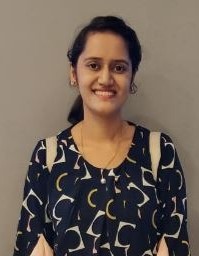 |
Dolly is an MBA (Finance) from Sikkim Manipal University and has cracked UGC Net Exam in Management. Her sweet voice, humble nature and attention to the details is what makes her teaching style admirable and praiseworthy among student community. Faculty for Data Interpretation and Logical Reasoning |
Dolly Mam |
|
 |
Kritika is a Commerce Post-Graduate and has cracked UGC Net exam with JRF in commerce. Her soft voice coupled with simplicity in her teaching style has made students fond of her. Faculty for Teaching Aptitude |
Kritika Mam |
Q. What will be the schedule of classes?
The course comprises of recorded lectures and most of the lectures are already uploaded in the course. The coverage of the course is explained as follows:
| Coverage of Topics | Videos | Summary Sheet | Supplementary Notes | MCQ |
| Unit-I Teaching Aptitude | ||||
| Unit Overview | ✓ | - | - | - |
| Tips and Tricks to Solve Teaching Aptitude MCQ's | ✓ | - | - | - |
| Introduction to Teaching | ✓ | ✓ | * | ✓ |
| Levels of Teaching | ✓ | ✓ | * | ✓ |
| Similar Concepts Related to Teaching | ✓ | ✓ | * | * |
| Maxims and Priinciples of Teaching | ✓ | ✓ | * | ✓ |
| Phases of Teaching | ✓ | ✓ | * | ✓ |
| Styles of Teaching | ✓ | ✓ | * | * |
| Introduction to Leaning: : Concept , Types and Characteritics | ✓ | ✓ | * | ✓ |
| Laws and Theories of Learning | ✓ | * | * | ✓ |
| Approaches to Teaching | ✓ | ✓ | * | * |
| Different Methods of Teaching (Teacher centered vs Learner Centere Methods) | ✓ | ✓ | * | * |
| Technology Based : Methods of Teaching | ✓ | ✓ | * | ✓ |
| Factors Affecting Teaching | * | * | * | * |
| Models of Teaching | * | * | * | * |
| Teaching Support System: Teaching Aids and Objectives | * | * | * | * |
| Education and Its Types | ✓ | ✓ | * | ✓ |
| Evaluation Sytsem | ✓ | * | * | * |
| Innovation in Evaluation System | * | * | * | * |
| Role of Evaluation In Indian Educational Sytem | * | * | * | * |
| Miscelleneos Topics | * | * | * | * |
| Unit-II Research Aptitude | ||||
| Introduction to Research: A way of Thinking | ✓ | ✓ | * | ✓ |
| Characteristics of Research | ✓ | ✓ | * | ✓ |
| Research Process: Overview | ✓ | * | * | * |
| Types of Research | ✓ | * | * | * |
| Defining a Research Problem | * | * | * | * |
| Extensive Literature Review | * | * | * | * |
| Hypothesis Designing and Testing | * | * | * | * |
| Different Variables in Hypothesis | * | * | * | * |
| Research Design and Its Types | * | * | * | * |
| Sampling Design: Fundamentals | * | * | * | * |
| Teachniques of Sampling | * | * | * | * |
| Sampling and Non Sampling Error | * | * | * | * |
| Methods/Sources of Data Collection | * | * | * | * |
| Data Types : Measurement and Scaling | * | * | * | * |
| Reliability and Validity: Its Types | * | * | * | * |
| Report Writing | * | * | * | * |
| Thesis and Article writing: Format and styles of referencing | * | * | * | * |
| Application of ICT in research | * | * | * | * |
| Research ethics. | * | * | * | * |
| Positivism and Postpositivistic approach to research. | * | * | * | * |
| Miscelleneous Topics | * | * | * | * |
| Unit Overview cum Revision | * | * | * | * |
| Unit-III Comprehension | ||||
| How to Approach Reading Comprehension? | ✓ | ✓ | - | * |
| Practice Comprehension 1 | ✓ | ✓ | - | - |
| Practice Comprehension 2 | ✓ | ✓ | - | - |
| Practice Comprehension 3 | * | * | - | - |
| Practice Comprehension 4 | * | * | - | - |
| Practice Comprehension 5 | * | * | - | - |
| Practice Comprehension 6 | * | * | - | - |
| Practice Comprehension 7 | * | * | - | - |
| Practice Comprehension 8 | * | * | - | - |
| Practice Comprehension 9 | * | * | - | - |
| Practice Comprehension 10 | * | * | - | - |
| Unit-IV Communication | ||||
| Overview | * | * | * | * |
| Intriduction to Communication: Concept, Characterosticsand Elements | ✓ | ✓ | ✓ | ✓ |
| Types of Communication | ✓ | ✓ | ✓ | ✓ |
| Forms of Communicaton | ✓ | ✓ | ✓ | ✓ |
| Communication Models | ✓ | ✓ | ✓ | ✓ |
| Theories of Communication | ✓ | ✓ | ✓ | ✓ |
| Culture and Communication - Inter-Cultural Communication | ✓ | ✓ | ✓ | ✓ |
| Group Communication | ✓ | ✓ | ✓ | ✓ |
| Barriers to Effective Communication | ✓ | ✓ | ✓ | ✓ |
| Classroom Communication | ✓ | ✓ | ✓ | ✓ |
| Mass Media and Society | ✓ | ✓ | ✓ | ✓ |
| Miscelleneous Topics | * | * | * | * |
| Unit-V Mathematical Reasoning and Aptitude | ||||
| Unit Overview | * | - | - | - |
| Number Series Lecture | ✓ | ✓ | - | * |
| Alphabet Series & Coding | ✓ | ✓ | - | * |
| Blood Relations | ✓ | ✓ | - | * |
| Directions | ✓ | ✓ | - | ✓ |
| Speed, Time & Distance | ✓ | ✓ | - | ✓ |
| Simple & Compound Interest | ✓ | ✓ | - | ✓ |
| Ratio & Proportion | ✓ | ✓ | - | ✓ |
| Percentages | ✓ | ✓ | - | ✓ |
| Profit & Loss | ✓ | ✓ | - | ✓ |
| Averages | ✓ | ✓ | - | ✓ |
| Misc Topics - Ranking & Order, Time & Work, Pipes & Cisterns, Calender Problems, Clock Problems, Area & Perimeter, Surface Area & Volumes & Number System. |
✓ | ✓ | - | ✓ |
| Unit-VI Logical Reasoning | ||||
| Unit Overview | * | - | - | - |
| Lecture 1 - Square of Opposition - I | ✓ | ✓ | - | ✓ |
| Lecture 2 -Square of Opposition -II | ✓ | * | - | ✓ |
| Lecture 3 - Square of Opposition- III | ✓ | * | - | ✓ |
| Lecture 4 - Syllogism -I | ✓ | * | - | ✓ |
| Lecture 5 -Syllogism II | ✓ | * | - | ✓ |
| Lecture 6 -Moods and Figures | ✓ | ✓ | - | ✓ |
| Lecture 7- Practice question on Above Topics | ✓ | * | - | * |
| Lecture 8 - Inductive and Deductive Reasoning I | ✓ | * | - | ✓ |
| Lecture 9 -Inductive and Deductive Reasoning II | ✓ | * | - | ✓ |
| Lecture 10- Indian Logic - Types of Pramanas III | ✓ | * | - | ✓ |
| Lecture 11 - Indian Logic - Types of Pramanas II | ✓ | * | - | ✓ |
| Lecture 12 - Indian Logic - Types of Pramans III | ✓ | * | - | ✓ |
| Lecture 13 - Hetvabhasas | ✓ | * | - | * |
| Lecture 13 - Fallacies : Formal and Informal I | ✓ | * | - | ✓ |
| Lecture 14 - Fallacies II : Formal and Informal | ✓ | * | - | ✓ |
| Lecture 15 - Connotations and denotations | ✓ | * | - | * |
| Lecture 16 - Types of Definitions | ✓ | * | - | ✓ |
| Miscelleneous Topics | * | * | - | |
| Unit-VII Data Interpretation | ||||
| Unit Overview | * | - | - | - |
| Lecture 1 - Basic Tricks | ✓ | ✓ | - | ✓ |
| Lecture 2- Concept Covered: Percentage and Average | ✓ | ✓ | - | ✓ |
| Lecture 3 -Concept Covered: Growth rate ratios Type Ques | ✓ | ✓ | - | ✓ |
| Lecture 4 -Concept Covered: Decadal Growth Rate ; Conversion of Units | ✓ | ✓ | - | ✓ |
| Lecture 5- Concept Covered: Missing Data | ✓ | ✓ | - | ✓ |
| Lecture 6 -Concept Covered: Class Interval and Pie Charts | ✓ | ✓ | - | ✓ |
| Lecture 7 -Concept Covered: Formula Based | ✓ | ✓ | - | ✓ |
| Lecture 8 - Concept Covered: Extract Data from two different tables | ✓ | ✓ | - | ✓ |
| Lecture 9 - Line Chart | * | * | - | * |
| Lecture 10 - Bar Chart | * | * | - | * |
| Lecture 11 - Histograms | * | * | - | * |
| Unit-VIII Information and Communication Technology (ICT) | ||||
| Unit Overview | ✓ | - | - | - |
| Introduction to ICT | ✓ | ✓ | ✓ | ✓ |
| Basics of Computer | ✓ | ✓ | ✓ | ✓ |
| Computer Number System | ✓ | ✓ | ✓ | ✓ |
| Internet | ✓ | ✓ | ✓ | ✓ |
| Intranet & Extranet | ✓ | ✓ | ✓ | ✓ |
| ✓ | ✓ | ✓ | ✓ | |
| Audio & Video Conferencing | ✓ | ✓ | ✓ | ✓ |
| ICT Abbreviations & Terminology | ✓ | ✓ | ✓ | ✓ |
| ICT and Governance | ✓ | ✓ | ✓ | ✓ |
| Digital Initiatives in Higher Education | * | * | * | * |
| Misc Topics | * | * | * | * |
| Unit-IX People, Development and Environment | ||||
| Unit Overview | ✓ | - | - | - |
| Millenium Development & Sustainable Development Goals (MDG & SDG) | ✓ | ✓ | ✓ | ✓ |
| Human Environment Interaction | ✓ | ✓ | ✓ | ✓ |
| Ecology & Ecosystem | ✓ | ✓ | ✓ | ✓ |
| World Environment | ✓ | ✓ | ✓ | ✓ |
| Indian Ecosystem | ✓ | ✓ | ✓ | ✓ |
| India's Biodiversity | ✓ | ✓ | ✓ | ✓ |
| Environmental Issues | ✓ | ✓ | ✓ | ✓ |
| Global Warming & Climate Change | ✓ | ✓ | ✓ | ✓ |
| Air Pollution | ✓ | ✓ | ✓ | ✓ |
| Water Pollution | ✓ | ✓ | ✓ | ✓ |
| Soil Pollution | ✓ | ✓ | ✓ | ✓ |
| Noise Pollution | ✓ | ✓ | ✓ | ✓ |
| Waste and its Mangement | ✓ | ✓ | ✓ | ✓ |
| Natural and Energy Sources | ✓ | ✓ | ✓ | ✓ |
| Disaster Management | ✓ | ✓ | ✓ | ✓ |
| International Environment Protection Framework | ✓ | ✓ | ✓ | ✓ |
| National Environment Protection Framework | ✓ | ✓ | ✓ | ✓ |
| Misc Topics | * | * | * | * |
| Unit-X Higher Education System | ||||
| Unit Overview | ✓ | - | - | - |
| Introduction to Higher Education | ✓ | ✓ | ✓ | ✓ |
| Higher Education in Ancient India | * | * | * | * |
| Higher Education in Medieval India | ✓ | ✓ | ✓ | ✓ |
| Higher Education in Modern India | ✓ | ✓ | ✓ | ✓ |
| Higher Education in Post Independence Era | ✓ | ✓ | ✓ | ✓ |
| Higher Education Regulatory Framework in India | ✓ | ✓ | ✓ | ✓ |
| Higher Education Schemes in India | ✓ | ✓ | ✓ | ✓ |
| Conventional Learning in India | ✓ | ✓ | ✓ | ✓ |
| Non-Conventional Learning in India | ✓ | ✓ | ✓ | ✓ |
| Oriental Learning in India | ✓ | ✓ | ✓ | ✓ |
| Value Education | ✓ | ✓ | ✓ | ✓ |
| Environmental Education | ✓ | ✓ | ✓ | ✓ |
| Skill Based Education | ✓ | ✓ | ✓ | ✓ |
| Professional and Technical Education | ✓ | ✓ | ✓ | ✓ |
| Polity & Governance | * | * | * | * |
| Misc Topics | * | * | * | * |
After successful purchase, this item would be added to your courses.You can access your courses in the following ways :
 Launch your Graphy


